

Anabella Sharkey
Has acne ever been a big insecurity for you? Acne is the most common skin condition in the US, affecting up to 50 million Americans annually (American Academy of Dermatology, 2025). Most people know what pimples are, but they are not familiar with severe acne or how it can affect people. Acne or medically known as Acne vulgaris has many different forms, including cystic and hormonal. Acne vulgaris is most common in girls starting at age eleven, and in boys slightly later. (Hawkes, 2022).
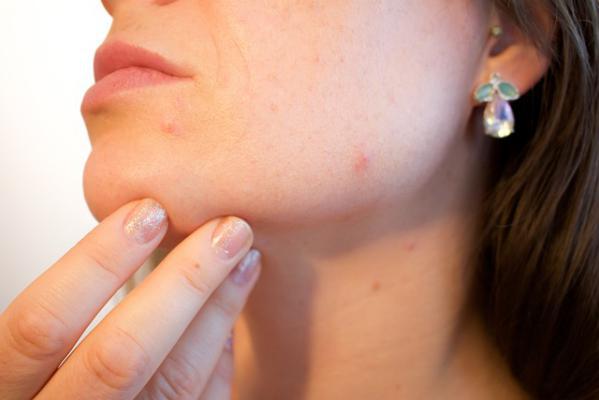
Acne is typically formed when a hair follicle is clogged with oil and dead skin cells. Bacteria triggers infection and inflammation, which contributes to pus-filled, red pimples. Acne ranges in severity from mild to severe: examples in the former category include open comedones (blackheads) and closed comedones (whiteheads); examples in the latter category include cystic lesions. Most acne cases exist on a spectrum. This means that patients may have a combination of acne types, making their acne severity not necessarily mild or severe, but somewhere in the middle.
Acne may be painful and itchy, but the main toll it takes on adolescents is mentally. I conducted numerous interviews with teenagers who have experienced varying degrees of acne at Randolph High School, and the answers I received were shocking. Most said it affected their mental health drastically, resulting in various insecurities.
One of the teens, who agreed to an interview, struggled with acne breakouts beginning in 7th grade; her face started to break out in small bumps all across her forehead. Although this did not bother her tremendously, it did cause some discomfort such as itchiness, texture issues, and redness. Throughout 7th and 8th grade, the condition remained the same. Beginning in the summer before high school, she started breaking out across her face, including her cheeks and
chin. Instead of small bumps and clogged pores, these were large pimples: whiteheads. Although she never wore concealer or foundation before, she felt embarrassed to go out in public without her acne being covered.
During this two-year journey, she visited various dermatologists and tried many face products, but nothing seemed to work. Her acne just grew worse and worse, up to the point where she did not want to go out anymore. Not only did she dislike how her face looked, but other people also pointed out her acne to her. This caused a 14-year-old girl to become insecure with how her face looked. Eventually, she was able to see a dermatologist and find a treatment that worked for her. Tretinoin cream worked for her over time, but treatments differ from patient to patient. Unfortunately, this is the ugly truth that many teenagers experience because of a primarily genetic skin condition they have little to no control over. Fortunately, many board certified dermatologists work with and prescribe various treatments such as topical creams, oral pills, and more. Examples of treatments include tretinoin cream, benzoyl peroxide cleanser, topical clindamycin lotion/gel, accutane, and in female patients, birth control or spironolactone.
Teenagers all around the world struggle with being judged by peers, making them feel a need to cover their face. Many teenage girls said they used various techniques to try and stop the acne including acne face wash and drying products. When this did not work, they resorted to covering up their breakouts with makeup. Numerous girls and boys that were interviewed reported that they felt, “significantly less confident and attractive when they had acne.” Kids should not have to resort to these measures because their face makes them feel insecure. Many people from all around the world and of all ages suffer from acne and subsequent scars as a result of their acne. However, many treatments are offered from dermatologists ranging from topical skin creams such as tretinoin to face wipes such as clindamycin, or in extreme cases, pills like accutane. In many cases, treatment will improve acne issues over time. As acne improves and heals, mental health issues and insecurity relating to acne may improve as well.
Work Cited
American Academy of Dermatology Association. (2025, February 25) Skin Conditions by the Numbers.
American Academy of Dermatology Association. https://www.aad.org/media/stats-numbers
Cleveland Clinic. (2023, January 1). Acne: Types, causes, treatment & prevention.
Cleveland Clinic. https://my.clevelandclinic.org/health/diseases/12233-acne
Hawkes, J. (2022, August 24). What causes acne, and how do I treat it?
UC Davis Health. https://health.ucdavis.edu/blog/cultivating-health/what-causes-acne-and-how-do-i-treat-it/2022/08
National Institute of Arthritis and Musculoskeletal and Skin Diseases, U.S. (2023, July) “Acne.” National Institute of Arthritis and Musculoskeletal and Skin Diseases,
U.S. Department of Health and Human Services, 8, https://www.niams.nih.gov/health-topics/acne