

Riyana Patel
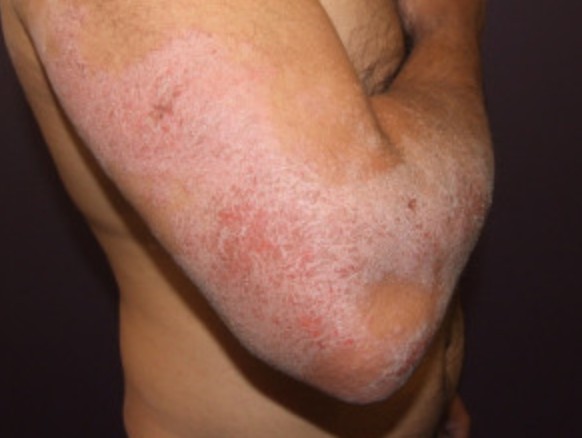
Atopic dermatitis, or eczema, presents as dry skin, itch, and rash.
Who does it affect?
It is the most common inflammatory skin disease worldwide, affecting about 230 million people. It often manifests as part of the “atopic triad” which includes atopic dermatitis, asthma, and hay fever, with food allergies also included in the cluster of “atopic tendencies”. Atopy, or this tendency to develop an over-active immune response to environmental factors, is mostly inherited. Atopic dermatitis affects 20% of children, often starting in infancy and usually developed before the age of 6. However, people of all ages can develop this condition.
What causes atopic dermatitis?
There is no single cause of atopic dermatitis, as it results from a complex combination of environmental and genetic factors including the body’s immune system, skin structural gene mutations, skin cell defects, and the skin microbiome. The current literature identifies atopic dermatitis to be primarily an immune-mediated inflammatory response regulated by cytokines. These are small proteins produced by cells that control the growth and activity of other immune system cells and blood cells. The primary cytokines involved from current research are IL-4, IL-13, and IL-22. The over-production of these cytokines cause a defect in the skin barrier and inflammation that manifest in the features seen in atopic dermatitis patients.
Atopic dermatitis is a systemic disease manifesting in the skin, so events that disrupt the body’s normal balance in other ways may trigger flares. These events can range from a viral infection or eating certain foods that the body is allergic to, or may not be obvious at all. Given atopic dermatitis presents as dry skin, environmental factors that make the skin even drier may make the symptoms harder to control. These include the winter weather, frequent washing particularly with very hot water, soaps and harsh detergents, and low humidity in the air.
How is it treated?
Treatment options vary widely depending on the severity of your condition, your work environment, and your lifestyle. At DermCare Experts, we are committed to finding the best treatment plan tailored to every patient after understanding and assessing your individual needs. We treat atopic dermatitis with the most up-to-date knowledge and access to the most recent therapies as well as cutting-edge clinical trials which pay you for your time and effort.
General measures can help with mild cases of atopic dermatitis and prevent flares:
- Avoid skin irritants wherever possible. This includes harsh soaps and detergents, abrasive washcloths in the shower, coarse clothing fabrics, chemicals and antiseptics, perfumes and cosmetics.
- Keep the skin hydrated at all times with emollients, or moisturizers. Emollients should be applied to the skin when it is still wet
- Antihistamines such as Zyrtec or Allegra to provide relief for itch
Topical treatments can resolve symptoms of itch and inflammation during flares:
- Topical corticosteroids (e.g. betamethasone or clobetasol) to reduce inflammation of the skin
- Topical immunomodulating agents for low-term maintenance of recurrent flares, especially in sensitive areas such as the face, skin folds, or genitals
- Topical calcineurin inhibitors (e.g. tacrolimus or pimecrolimus)
- Topical PDE4 inhibitors Eucrisa® (crisaborole)
- Topical JAK inhibitor Opzelura® (ruxolitinib), approved by FDA July 2022
Systemic treatments can treat moderate-to-severe cases inadequately controlled with topicals:
- Biologics are among the most advanced available today for atopic dermatitis. They are synthesized from living organisms and target very specific protein receptors. Both of the following are administered by subcutaneous injections
- Dupixent® (dupilumab) blocks IL-4 and IL-13
- Adbry® (trakolinumab-ldrm) blocks IL-13
- Oral JAK inhibitors
- Cibinqo® (abrocitinib)
- Rinvoq® (upadacitinib)
- Traditional systemic drugs that suppress the immune system (e.g. methotrexate, cyclosporine, mycophenolate mofetil, azathioprine)
- Phototherapy, most commonly with narrow-band UVB
In addition to the therapies currently on the market, there are more treatment options undergoing efficacy and safety assessments through clinical trials. We have a robust clinical research arm in our affiliated research site that conducts Phase II-IV trials on atopic dermatitis. Studies include novel therapies for atopic dermatitis as well as Phase III and Phase IV studies assessing efficacy of medications already available on the market. If you are interested in participating in our clinical trials, please inquire with your doctor or visit Beacon Clinical Research for more information.